Supportive Housing FAQs
Have questions about our Supportive Housing program? Here you’ll find answers about eligibility, program benefits, length of stay, costs, and the support services available to help veterans and their families achieve stability and wellness.
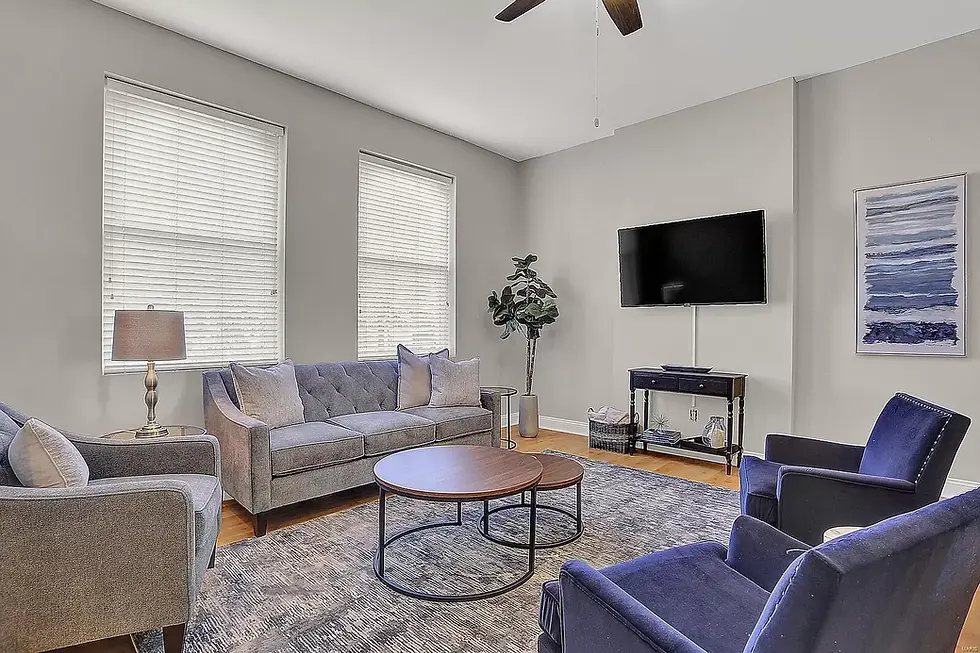
Supportive housing combines safe living spaces with access to recovery programs, counseling, and social services to help veterans maintain long-term wellness.

Veterans and their families seeking substance use or mental health treatment, who are facing housing challenges or need structured support, are welcome to apply.

Length of stay varies based on individual needs, recovery progress, and program availability
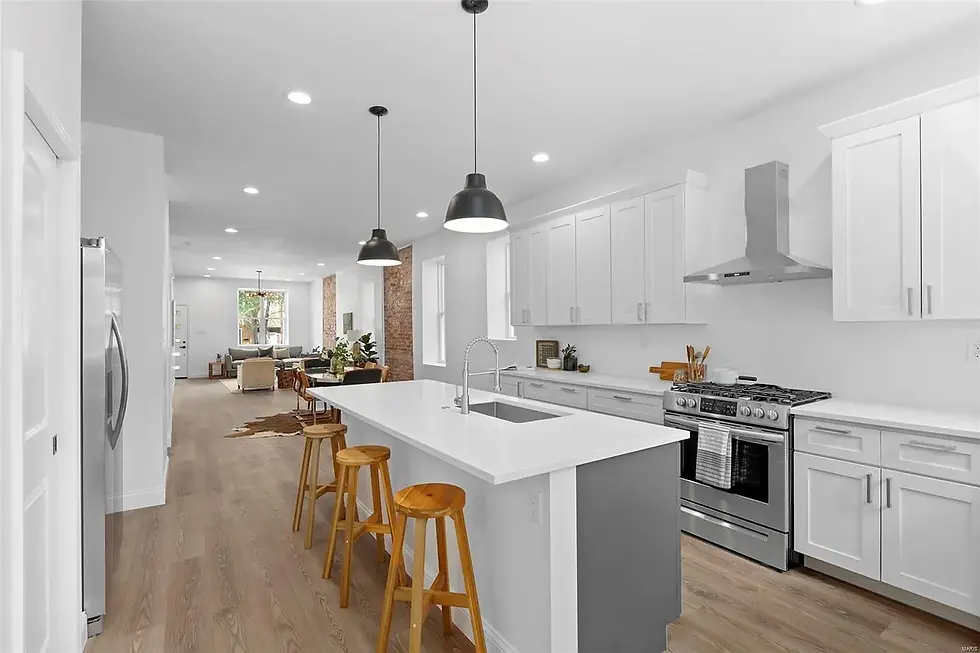
Costs depend on funding and individual circumstances. Many veterans qualify for subsidized or no-cost housing options.
Still have questions? Contact our team to learn more.
About
Our Story
Mission, Vision, Values
Our Team
Pictures

Behavioral Health & Substance Use
Supportive Housing
Life Skills Training
Financial Literacy
Interpersonal Skills
Property Management
Health & Wellness
In The Community
FAQ
Contact Us
Donate
Get Involved
Helpful Resources
PTSD

At RecoVET, we believe recovery
begins with stability. Our supportive
housing program provides veterans
with a safe, clean, structured,
and drug-free environment where they can focus
fully on healing and rebuilding their lives.
Recovery is not one-size-fits-all.
For many veterans, the journey
includes navigating substance use challenges, mental health
concerns, and the transition back into civilian life. We are committed
to walking alongside each resident with compassion,
accountability, and respect.
A Safe Place to Rebuild
Operating seven supportive living homes throughout the St. Louis Metro Area, RecoVET offers transitional housing designed to foster independence while maintaining the structure needed for early recovery.
Our homes provide:
-
Stable, substance-free living environments
-
Peer support from fellow veterans in recovery
-
Structured expectations that promote responsibility and growth
-
A strong sense of community and belonging
This is more than housing — it is a foundation for long-term success.
Integrated Support and Access to Care
Through partnerships with trusted organizations including the Assisted Recovery Centers of America (ARCA), the Salvation Army, CAFE, and the Gibson Center for Behavioral Change, we ensure residents have access to comprehensive behavioral health and social services.
Our peer and administrative support teams help residents connect to:
-
Medication-Assisted Treatment (MAT)
-
Mental health services
-
Primary and dental care
-
Case management and social services
-
Education, employment, and goal-setting resources
We understand that timely access to care can make all the difference. That’s why RecoVET prioritizes responsiveness, offering minimal to no wait times — including same-day consultations for new clients whenever possible.
Recovery with Dignity
Every veteran’s story is unique. Our supportive housing program is designed to meet individuals where they are and help them move forward with confidence. We are here not only to provide a place to live, but to create an environment where hope is restored, independence is strengthened, and long-term recovery becomes achievable.
If you or a loved one is ready to take the next step, we are ready to help. No veteran should have to face recovery alone.



Requirements for Residency

To ensure a safe, structured, and recovery-focused environment, all residents must meet the following criteria:
-
Must be male
-
Must be 18 years of age or older
-
Must be abstinent from alcohol and all illicit substances
Application & Admission Process
-
All prospective residents must complete an application and develop a personal recovery plan prior to consideration for admission.
-
The recovery plan should outline participation in group sessions, individual counseling, social support systems, and/or medication-assisted treatment that supports sobriety.
-
All applicants must participate in an interview before acceptance into the home is granted.
Expectations After Acceptance
-
Residents are responsible for maintaining the general care and cleanliness of the home.
-
Residents are expected to contribute to building a positive and supportive house culture.
-
As recovery progresses, residents may have the opportunity to hold an elected leadership position within the home.
Ongoing Program Requirements
-
Mandatory weekly house meetings
-
Weekly peer coaching sessions
-
Random urine drug screenings
-
Daily recovery process groups facilitated by house management
These requirements are designed to promote accountability, structure, and long-term recovery success.
Amenities at Our Supportive Housing
Our supportive housing homes are designed to provide comfort, security, and a welcoming environment that promotes stability and recovery.
Amenities may include:
-
Security cameras and alarm systems
-
Updated appliances
-
Modern leather furniture
-
Television with cable
-
Pool table
-
Wireless internet
-
Computer room
-
Library
-
Washer and dryer
-
Backyard grill and fire pit
-
Work garage
Each home is structured to offer both accountability and comfort, creating a space where residents can focus on recovery while enjoying a supportive and community-oriented living environment.

Key Features
24/7 Support
Our program operates around the clock, ensuring help is available whenever it is needed.
Peer-Led Environment
Experience a supportive, peer-led community that understands and respects your recovery journey.
Trauma-Informed Setting
Our environment prioritizes trauma-informed care, creating a safe and compassionate space for healing.
Social Model of Recovery
Engage in a process of positive change that empowers you to improve your health, wellness, and overall quality of life.
Peer Support
Connect with others who share similar experiences, fostering accountability, encouragement, and a strong sense of community.
Treatment and Recovery Resources
Access a network of treatment options and recovery resources tailored to support your unique path to long-term recovery

OUR COMMUNITY PARTNERS
At RecoVET, we collaborate with a network of trusted community partners to provide veterans with comprehensive support. Together, we connect resources, care, and opportunities to help those who served thrive in every aspect of life.